Map responsibilities before positions
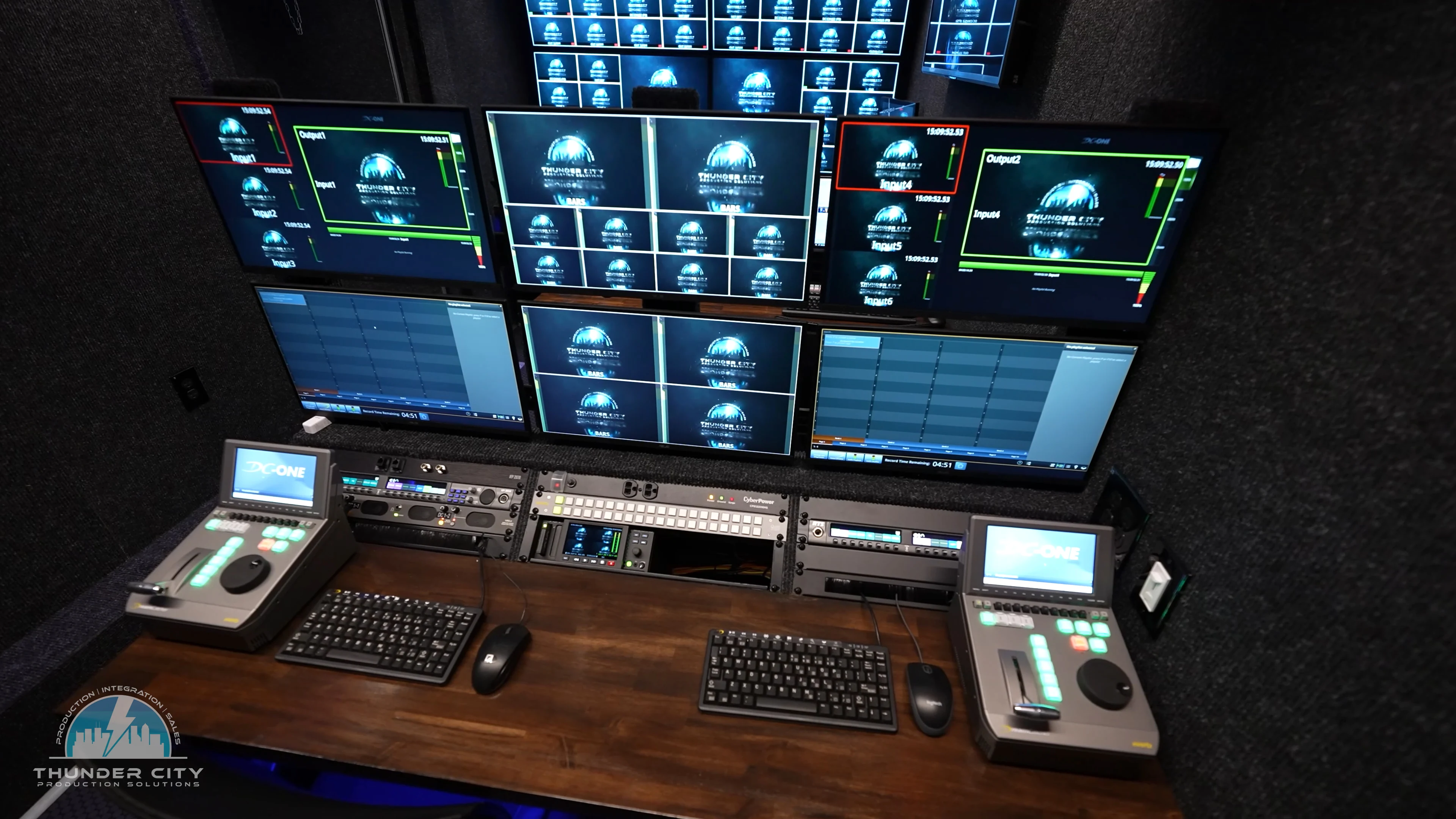
Describe who directs, switches, mixes, manages replay and graphics, coordinates communications and monitors the technical system. Some productions combine roles; others need dedicated positions. Use those responsibilities to define controls, monitoring and the physical relationships between operators.
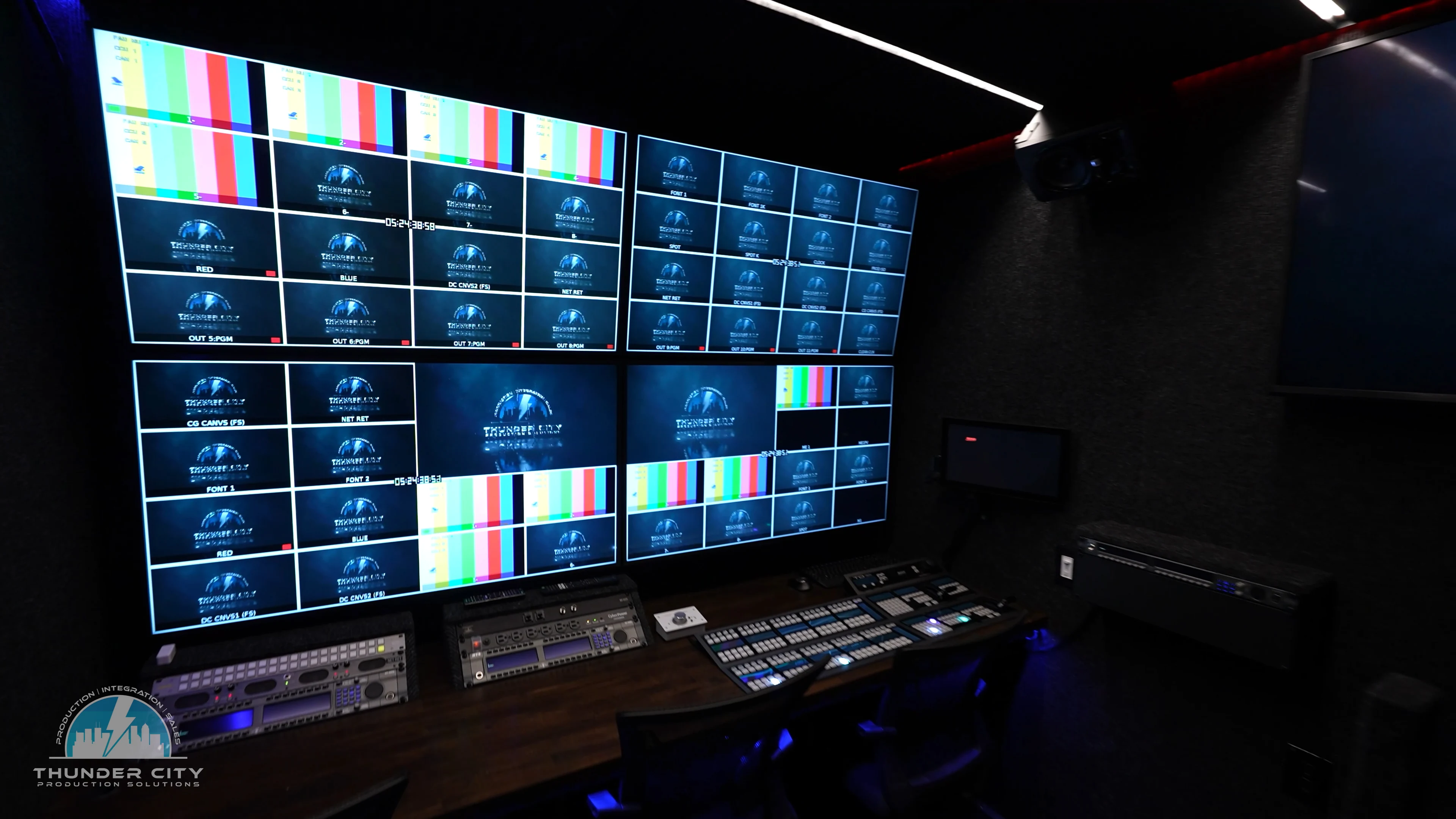
Build a multiviewer people can read
A useful layout distinguishes program, preview, camera sources, playback and other information without making every display compete for attention. Discuss screen size, viewing distance, source labels, tally and audio visibility. Plan layouts for the person making the decision rather than simply filling every available window.
Connect communications to the workflow
Define who needs to hear and speak to whom, including camera operators, stage or venue teams and remote contributors. Consider the relationship between talkback, production audio and monitoring. Communications should be checked with the same care as the video path.
Make outputs explicit
The venue screens, a broadcast destination, a stream and recordings can need different combinations of pictures, graphics and sound. Document those paths and their handoff points. Operators need to know what is being sent and engineers need a way to verify the receiving end.
Design around the room and its infrastructure
Coordinate monitor sightlines, control surfaces, rack access, power, cooling and cabling with the facility team. Decide which equipment belongs near operators and which can sit elsewhere. For flexible spaces, define how the configuration changes and how the team confirms it is ready.
Rehearse normal operation and recovery
Use a representative production to walk through setup, source checking, communications, recording and shutdown. Include agreed fallback workflows where the design provides them. Documentation and operator handoff should make the first independent production feel familiar.